
Making Waves: A Wrap-Up of 12 Week Swimming Programme
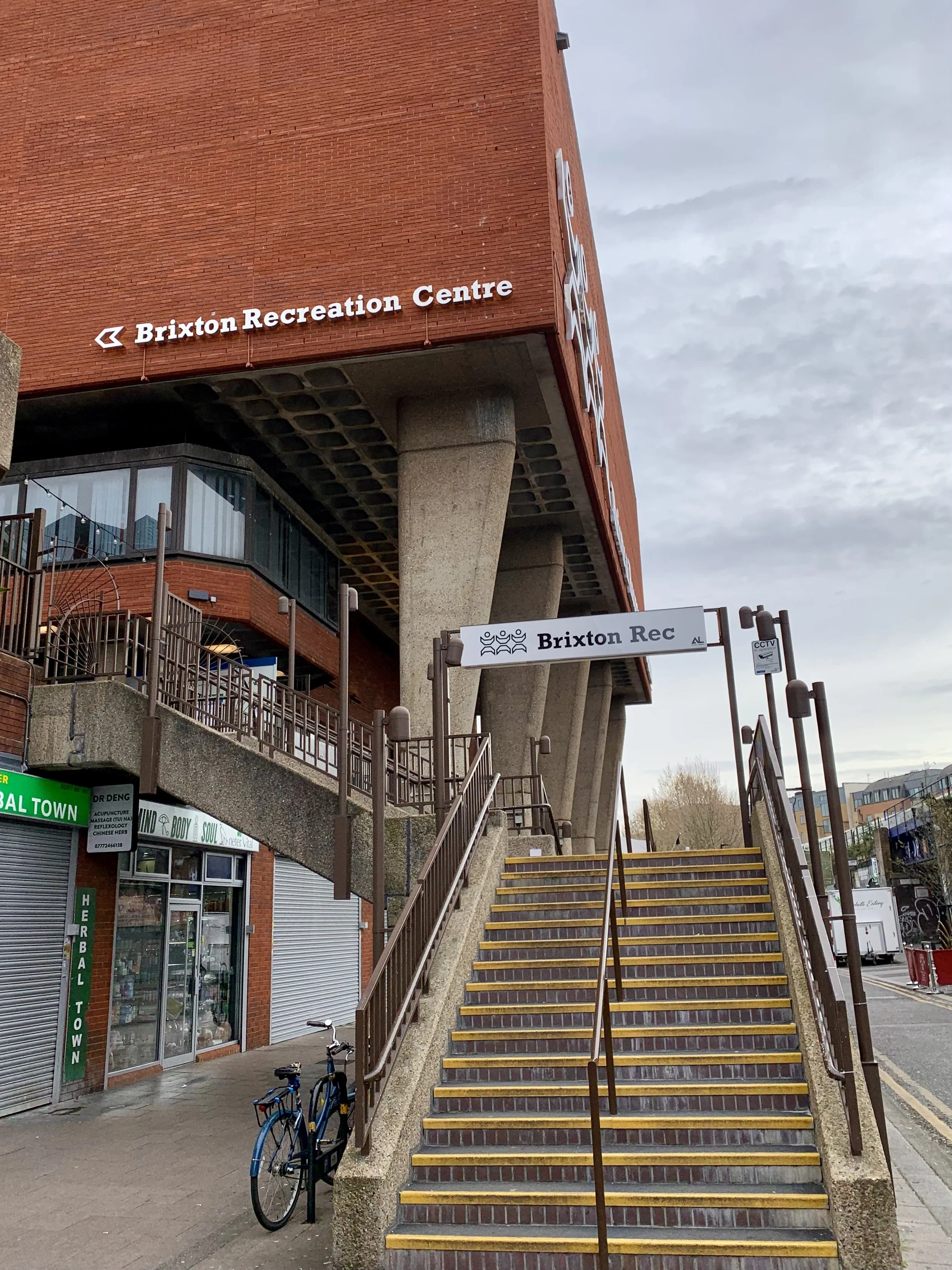
Twelve weeks ago, seven young people stepped into the pool at Brixton Recreation Centre. Some were nervous. Some hadn't swum in years. One was afraid to get in the water at all. This is what happened next.
What We Set Out to Do
From the start, our goal was simple but meaningful: to give young people from underrepresented and under-resourced backgrounds access to swimming as a skill for life completely free of charge. Designed by Brixton Wings alumna Deba, the programme ran every Sunday from March, offering hour-long Learn to Swim sessions with expert coaching in a small, supportive group setting.
We knew the need was there. We just didn't know quite how much would change in twelve weeks.
The Numbers
Total participants: 12
Sessions completed: most attended 10–12 out of 12
6 participants completed the full 12 sessions
6 participants missed only one or two sessions
Approximate split: 7 boys 5 girls, ages roughly 11–16
Over the course of the programme, the level of commitment from our young people was outstanding with several attending almost every single session across the 12 weeks.
Where They Started and Where They Ended Up
When our swim teacher met this group for the first time, the range of experience in the water was wide. Some young people needed to be physically supported in the pool in those first sessions. Others could get by, but had never had anyone pay real attention to how they moved through the water. A few had genuine ability that had simply never been developed. Twelve weeks later, the picture looked very different. The young people who had needed hands-on support were swimming independently. Those who had the basics were swimming with technique and confidence. And those with natural ability were being described by their coach as potential competitive swimmers.
What Changed in the Water
The progress our young people made was real and visible. One participant, aged 11, attended all 12 sessions and came away with a significantly stronger breaststroke and improved overall speed. Another arrived knowing only a basic front crawl and left able to swim butterfly, breaststroke, and freestyle and described swimming as something that now "makes me happy." A third saw such marked improvement in freestyle and backstroke that their parent called the progress "remarkable."
But perhaps the most powerful transformation came from the young people who started with a genuine fear of water. Their coach described getting into the pool with them in those first sessions holding them, reassuring them, taking it step by step. By the end, those same young people were swimming independently in the deep pool.
In the words of the swim teacher: "That's like a massive progress to see in 12 sessions. First and foremost, it's a life-saving skill."
What the Teacher Saw
Our swim teacher works with a lot of young people. What stood out about this group wasn't just their progress, it was their attitude.
The teacher was clear about what made the difference here versus school swimming: "In school swimming, they don't really ever get individual feedback. There is no paying attention to the swimmer. Whereas you can see with these kids, they like the attention, they like the feedback, they like improving and it's been massive."
The range of starting points was wide from young people who couldn't float, to those with solid school swimming foundations who left the programme as excellent swimmers. One participant in particular was singled out: "Kids like these, if they got more and more attention, could even be competitive swimmers."
The teacher also spoke honestly about why so many young people arrive with a fear of water in the first place. It's rarely about the water itself. It's about body image and self-consciousness around peers. It's about parents who never learned to swim and feel anxious around pools not because they're negligent, but because they never had the opportunity either. It's about the cost and time barriers that mean many children simply never get in the water until they're teenagers, at which point the unfamiliarity alone can feel overwhelming.
"It just literally takes time and someone to believe in you and someone to tell you you're safe," the teacher said. That's exactly what this programme tried to be.
And the group itself? In the teacher's own words: "These are the best-behaved teenagers I've ever had. You can tell that someone is paying attention to them."
What Families Told Us
The feedback from parents was consistent and clear, and it kept coming back to the same things: the length of the sessions, the size of the group, and the quality of attention their children received.
Where most swimming lessons run for 30 minutes with large classes, this programme offered a full hour in a small group. The difference that made was tangible. As one parent put it: "It's the length of the lesson and the attention they get. They've improved so much more. I was very impressed."
Another parent, whose daughter had previously been behind her friends in the water, described watching her confidence grow week by week, to the point where she felt calm enough to sit back and trust the process: "Now I'm sitting down... I know that she's doing better."
One family had a broader conversation about swimming as a lifelong skill, one that will travel with their son on holidays, in sport, and through life. A participant put it plainly himself: "I used to think swimming was boring. Now I see it as something I can use to recover from injuries, to keep myself motivated in sport. It's something that makes me happy."
Sibling Connections and Community Roots
One of the unexpected joys of this programme was how many siblings ended up in the water together around four sets across the 12 weeks. What emerged was something competitive, something playful, and something bonding. Young people pushing each other further than they'd have gone alone.
It also reflected what Brixton Wings is really about: families who trust us across different parts of their lives. Some children came because a sibling already attends our Strength and Conditioning sessions. Some found us on Instagram. Some heard about it from another parent. That network of trust is something we never take for granted.
What We'd Do Differently
Alongside the overwhelmingly positive feedback, one thoughtful suggestion came through: that 45 minutes with a short fun break at the end might work better for some young people than a full hour. It's something we'll consider as we shape the next block.
Looking Ahead
This was the first of two planned 12-week Learn to Swim blocks, with an overall goal of taking 20 young people through the full programme. The next block starts in September and we'd love to see new faces in the pool.
Want to get involved?
Access to our swimming programme starts with our Strength and Conditioning sessions, which run every Tuesday 17:30 - 18:30 during term time at Brixton Recreation Centre. These sessions are a great starting point building physical fitness, community, and the foundation for wider opportunities like this one.
The more you show up, the more doors open. If you'd like to join, get in touch with us at admin@brixtonwing.org.uk or follow us on Instagram @Brixtonwings to stay up to date.
Swimming as a skill for life. It starts here.
